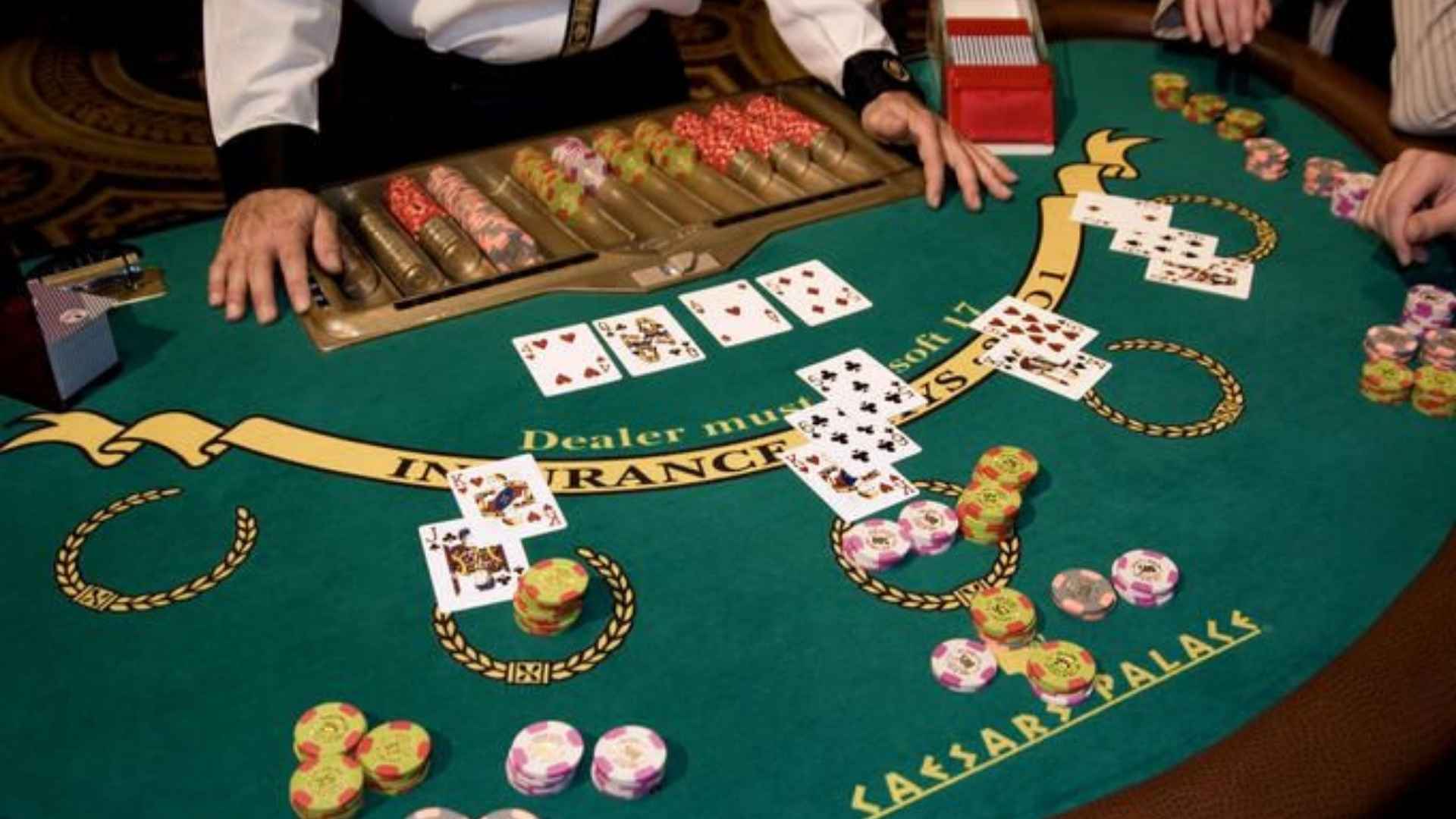
Mahjong is a game of profound depth where tile placement, tactical patience, and psychological observation intersect at the table. While beginners often rely heavily on the luck of the draw, seasoned veterans know that hidden strategies can drastically alter the outcome of a match. Uncovering these lesser-known tactical layers allows enthusiasts to move past basic tile-matching mechanics and command the table with confidence.
The Power of Hidden Discard Patterns
Paying close attention to what your opponents discard during the early turns reveals crucial information about their active strategies. Many players unconsciously signal their hand development by dropping specific suited blocks or holding onto rare honor tiles longer than necessary. By decoding these subtle visual clues, you can accurately predict which tiles are safe to release and which ones might trigger an opponent's victory.
Advanced competitors often use intentional discard sequences to mislead others about the actual composition of their rack. Releasing a highly versatile tile early can force your rivals into a defensive posture, disrupting their momentum. Gaining a deep understanding of these table dynamics helps transform a standard casual match into a highly engaging intellectual puzzle.
Mastering Dynamic Hand Flexibility
A frequent error among developing players is committing to a specific winning pattern too early in the game cycle. Maintaining a fluid structure allows your hand to adapt seamlessly as fresh tiles are drawn from the common wall. Experienced players prioritize versatile numerical sequences that can accept multiple combinations rather than chasing static, low-probability outcomes.
Evaluating the mathematical potential of your remaining blocks helps minimize structural vulnerabilities during high-stakes situations. Platforms like Mansion88 offer valuable insights into strategic choice-making frameworks that boost tactical accuracy. Balancing real-time probability assessment with flexible planning ensures you remain competitive until the final draw of the round.
The Psychology of Table Timing
The speed at which a player reacts to a fresh discard can speak volumes about their internal strategy and missing pieces. Taking an intentional pause before claiming a tile can create useful psychological pressure, making your opponents hesitate during their own turns. Cultivating emotional endurance and a disciplined mental framework is essential to maintaining absolute focus across multiple rounds.
Observing the physical habits and minor hesitations of the individuals sitting around the table helps you deduce their current comfort levels. Managing your own behavioral tells prevents sharp competitors from reading your hand like an open book. Mastering this quiet mental warfare is often what separates occasional winners from consistent tabletop champions.
Refining Your Defensive Awareness
While building a high-value combination is always satisfying, preventing an opponent from declaring a win is equally critical to long-term success. Recognizing when your initial offensive plan has failed allows you to smoothly shift into a strict defensive posture. Holding onto safe tiles that cannot be claimed by others preserves your standing and minimizes costly point deductions.
A strong defensive mindset requires you to treat every single discard as a calculated decision based on visible table conditions. Tracking the history of the center discard area helps eliminate unforced errors during the critical closing phases of a match. Implementing these protective habits consistently will drastically stabilize your overall performance and win rate over time.